2nd Annual Stroke Symposium 2026

Axis Neuroclinics

2nd Annual

Stroke Symposium

Mombasa 2026

Focusing on the continuum of care, from prevention and acute management to rehabilitation and long-term support, through evidence-based practice and hands-on clinical education.

brain-hero

Date

Saturday, 27th June 2026

Edition

2nd Annual

Location

Mombasa, Kenya

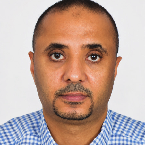
Welcome Address

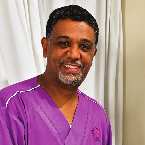
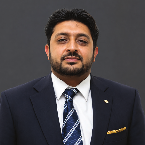
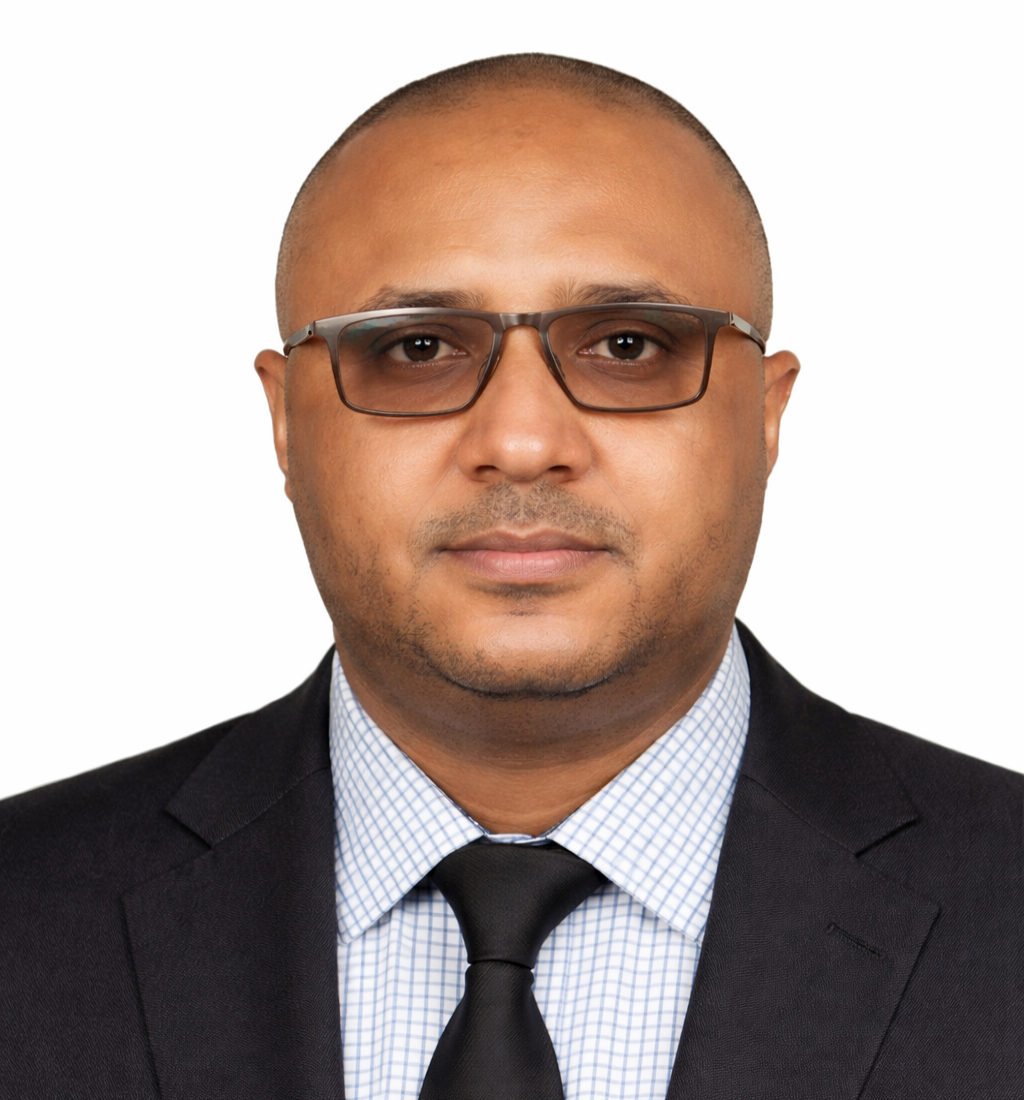
Dr. Salim Said Ahmed

Dr. Salim Said Ahmed

Co-Chair, Scientific Committee

Consultant Physician & Clinical Neurologist
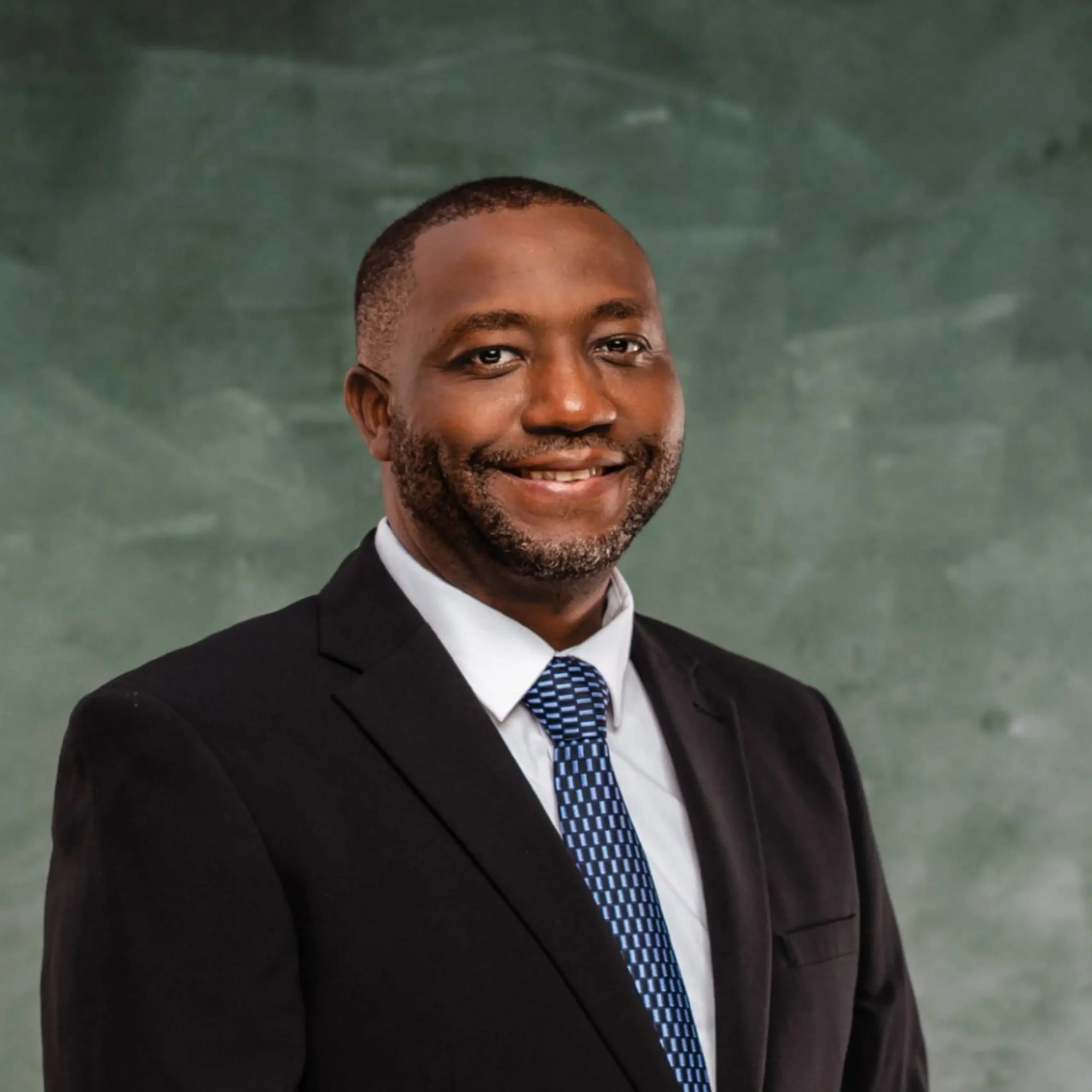
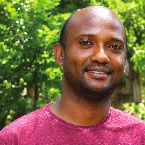
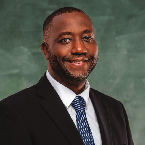
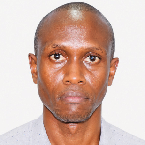
Dr. Benjamin Okanga

Dr. Benjamin Okanga

Co-Chair, Scientific Committee

Consultant Neurosurgeon

Welcome from the Scientific Committee

Dr. Salim Said Ahmed & Dr. Benjamin Okanga, Co-Chairs

Distinguished delegates, esteemed colleagues, honored guests, partners, and sponsors,

On behalf of the Scientific Committee and organizing team, we warmly welcome you to the 2nd Annual Stroke Symposium in Mombasa. We are grateful that you have taken time to join this important conference dedicated to improving stroke care in Mombasa, the Coast region, and surrounding counties.

We sincerely thank the Kenya Association of Physicians, Coast Branch, for its support, cooperation, and encouragement. We give special appreciation to the KAP Coast Branch Chairman, Dr. Mohamed Salim, for his leadership, guidance, and commitment to medical education and multidisciplinary collaboration.

Stroke care is not the work of one person, one cadre, or one specialty. It is a continuum that begins in the community with prevention, public awareness, risk factor control, and early recognition of symptoms. It continues through emergency medical care, medical officers, nurses, radiologists, radiographers, physicians, speech therapists, physiotherapists, occupational therapists, neurosurgeons, neurointerventional specialists, rehabilitation teams, and our partners in the pharmaceutical industry. Every skill matters, and every delay may affect a life.

Our shared responsibility is to prevent stroke where possible, detect it quickly when it occurs, and act fast to reduce disability and mortality. Acute care must be matched by strong rehabilitation, family support, and community reintegration, so that survivors recover function, dignity, independence, and hope.

The aim of this symposium is to raise awareness, share knowledge, strengthen practical skills, and demystify stroke care for all cadres involved in the pathway. We hope it will create a dedicated community of stroke workers who communicate clearly, coordinate efficiently, use evidence, collect data, and build reliable systems from collapse to recovery.

We thank our speakers, moderators, organizers, volunteers, sponsors, and partners for making this meeting possible. Your effort strengthens capacity, inspires teamwork, and reminds us that better outcomes are achieved when people learn together and serve together.

Most importantly, let this meeting transform professional relationships into practical pathways, so that patients move faster from recognition to treatment, and from treatment to meaningful rehabilitation across public, private, and community service, with shared purpose and accountability.

To all delegates, thank you for your presence and commitment. Leave this symposium as stronger advocates for stroke awareness, timely treatment, rehabilitation, and patient-centered recovery. Let us turn knowledge into care, care into recovery, and recovery into restored lives. Together, we can build a robust, equitable, and coordinated stroke care continuum for our people.

Thank you.

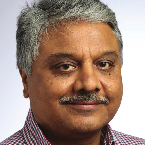
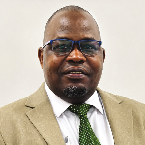
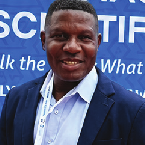
Dr. Mohamed Salim

Dr. Mohamed Salim

Chairman, Kenya Association of Physicians

Coast Branch

Message from the Chairman

Chairman of KAP Coast Branch

Distinguished colleagues and honored guests,

As the Chair of the Kenya Association of Physicians, Mombasa Branch, it is my distinct privilege to welcome you to the 2nd Annual Stroke Symposium.

First, my heartiest congratulations to our Neuro team. Organizing a scientific gathering of this caliber reflects your exceptional leadership and vision for our Coast region. To the entire team—physicians, emergency personnel, nurses, and rehabilitation specialists—your daily dedication on the front lines saves lives, and preserves futures. You are the shield our community relies upon. We must aggressively drive public awareness on stroke care and timely intervention. We must relentlessly champion the golden hour, when dealing with acute stroke, time is brain.

Crucially, achieving the highest standards of care relies entirely on a seamless multidisciplinary approach and strong clinical collaboration. No single specialty can fight this stroke alone. From the emergency triage desk to the radiology suite, success depends on a unified team working in perfect harmony.

This cooperative model is more vital than ever because hyper-acute stroke interventions, including both thrombolysis and mechanical thrombectomy, are now fully available right here in Mombasa. This represents a monumental leap forward for our regional healthcare ecosystem. Armed with these advanced treatments, our collective coordination will directly determine patient outcomes and prevent long-term disability.

Let this symposium strengthen our professional bonds and launch a more unified front. Together, we can build efficient, world-class stroke pathways for our people.

Thank you and have an inspiring symposium.

World-Class Experts

Symposium Faculty

Meet the distinguished moderators, speakers, and healthcare professionals
contributing to the 2nd Annual Stroke Symposium 2026.

Moderators

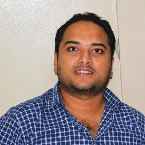
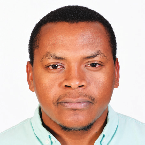
Dr. Asif Gulam
Dr Asif Gulam
Consultant Physician
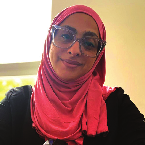
Dr. Aisha Bajaber
Dr Aisha Bajaber
Consultant Physician
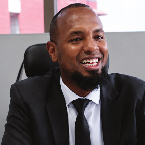
Dr Khalif Abdifatar
Dr Khalif Abdifatar
Endovascular Neurosurgeon
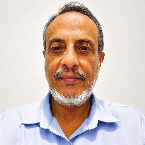
Dr Abdalla Bajaber
Consultant Cardiologist

Speakers

Dr. Vinesh Vaghela
Consultant Cardiologist
Coast Cardiac Centre
Dr. Mohamed Salim
Cardiac Electrophysiologist
Dr. Peter Waweru
Consultant Neurosurgeon
Dr. Mohamed Swaleh
Consultant Radiologist
Dr. Salim Ahmed
Clinical Neurologist
Dr. Benjamin Okanga
Dr. Benjamin Okanga
Consultant Neurosurgeon
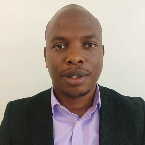
Dr. Denis Acullu
Dr. Denis Acullu
Radiologist & Oncologist
Dr. Erick Machora
Emcure Pharmaceuticals
Dr. John Ndegwa
Dr. John Ndegwa
Consultant Physician
Dr. Aarif Varvani
Consultant Physician
Mr. Joseph James Jefa
Mr. Joseph Jeffa
Critical Care Nurse
Dr. Salim Kaawele
Consultant Physician
Dr Yusuf Ezzi
Consultant Physician
Hailey Gitonga
Speech Pathologist
Elizabeth Mwaniki
Neurology Nurse
Dr Deborah Mwaviswa
Research Coordinator
×

Symposium Programme

Time Activity Faculty
7:15 - 8:15 AM Registration of Delegates and networking at Exhibition Booths Admin
8:15 - 8:30 AM Opening Ceremony – KAP Coast Chairman Dr. Mohamed Salim
8:30 - 8:45 AM Pre-conference quiz

Track: Acute Ischemic Stroke

Session Chairs: Dr. Asif Gulam / Dr. Aisha Bajaber

8:30 AM - 8:45 AM Cardiometabolic Risk factors and epidemiological trends for stroke Dr. Vinesh Vaghela
8:45 AM - 9:00 AM Cardioembolic Stroke Dr. Mohamed Salim
9:30 - 9:45 AM Radiology in Ischemic Stroke Dr. Mohamed Owaleh
9:45 - 10:00 AM Acute Ischemic Stroke: Endovascular therapies Dr. Benjamin Okanga
10:00 - 10:15 AM Acute Ischemic Stroke: Beyond Recanalization Care, Practical Approach Dr. Salim Said Ahmed
10:15 - 10:30 AM Q & A Session All Speakers

Networking Tea Break

10:30 - 11:00 AM

Track: Acute Haemorrhagic Stroke

Session Chairs: Dr. Abdalla Bajaber / Dr. Khalif Abdiftah

11:00 - 11:15 AM Multidisciplinary team roles in Haemorrhagic Stroke Dr. John Ndegwa
11:15 - 11:30 AM Radiology in haemorrhagic stroke Dr. Denis Aoulu
11:30 - 11:45 AM Stroke & Comorbidities Dr. Owaleh Mister
11:45 - 12:00 PM Transition of Stroke Nursing Care from A/E to ICU Mr. Joseph Jeffa
12:30 - 12:45 PM Q & A Session All Speakers
12:45 - 1:00 PM Summary & Recommendations
Group Photos
Dr. Salim Ahmed / Dr. Okanga
🍽️

Lunch Break

1:00 - 2:00 PM

Skills Stations (2:00 PM - 4:15 PM)

2:05 - 2:25 PM

Station 1: Thrombolysis Procedure

Facilitators:
Dr. Salim Ahmed, Dr. Salim Kazwale
Alteplase Rep, Tenecteplase Rep
Learning Objectives:
  1. Activate thrombolytic pathway for a suspected acute ischemic stroke patient
  2. Use a checklist to identify eligibility and major exclusions before thrombolysis
  3. Calculate and prepare alteplase safely using weight-based dosing and infusion timing. Calculate and prepare tenecteplase safely using single-bolus dosing
  4. State post-thrombolysis monitoring requirements for the first 24 hours. Recognize and initiate rapid response to complications (symptomatic intracranial haemorrhage, systemic bleeding and angioedema)
2:30 PM - 2:50 PM

Station 2: Intracranial Pressure Monitoring & Mechanical Thrombectomy

Facilitators:
Dr. Ben Okanga, Mr. Joseph Jeffa, RN-ICU
Mechanical Thrombectomy
Learning Objectives:
  1. To rapidly identify large vessel occlusion and trigger thrombectomy pathway promptly
  2. State essential and appropriate imaging pathway to suspected EVT candidates
  3. Name major thrombectomy devices, demonstrate the basic Bastrat model sequence
  4. Recognize common complications of mechanical thrombectomy and fast response to each
  5. List post procedure monitoring priorities
ICP Monitoring
Learning Objectives:
  1. List common indications for ICP monitoring
  2. To correctly identify equipment required
  3. To perform correct setup and levelling
  4. To interpret waveforms and calculation of CPP
  5. Describe assessment and ICP management protocol: infection prevention, drainage orders clamping and documentation
2:55 PM - 3:15 PM

Station 3: Radiology in Stroke

Facilitators:
Dr. Denis Aoulu, Dr. Mohamed Swaleh

The station focuses on the use of CT, MRI, CTA, MRA in acute stroke assessment. The participants will learn how to recognise radiological signs of ischemic and haemorrhagic stroke, interpret real case images, and apply imaging findings to time-sensitive decisions such as thrombolysis and thrombectomy.

Learning Objectives:
  1. Teach clinicians on correct first line modality in imaging within target time
  2. Identify and recognise key acute imaging signs on CT, CTA and DW changes on MRI
  3. To practise safe patient handling and monitoring during imaging, good communication to avoid delays and adverse effects
  4. To train on concise verbal and written reporting and structured handover to stroke team
3:20 PM - 3:40 PM

Station 4: Scenarios of Difficult Patient Cases

Facilitators:
Dr. Mohamed Salim, Dr. Yusuf Ezzi
Learning Objectives:
  1. To identify stroke, its mimics, determine last known well, prioritize for immediate investigation
  2. To learn and apply time-critical treatment decision making in terms of thrombolysis or thrombectomy
  3. To initiate immediate acute management and escalation
  4. To practise on teamwork, closed-loop communication, concise handover and use of checklists
3:45 PM - 4:05 PM

Station 5: Swallowing Assessment / Prevention of Aspiration Pneumonia

Facilitators:
Hailey Gitonga, Elizabeth Mwaniki

This station will focus on bedside screening test and practical steps to prevent aspiration pneumonia, targeted interventions, escalation and documentation.

Learning Objectives:
  1. To identify patients at high risk of aspiration and with signs of swallowing impairment
  2. To perform a safe bedside swallow screen and stop on any red-flags
  3. Initiate immediate prevention measures
  4. To escalate when needed, document and handover
4:05 - 4:10 PM

Vote of Thanks

Dr. N. Wamithi
4:15 PM

Tea and Networking

Departure at Leisure

Our Partners

Symposium Sponsors

We gratefully acknowledge the support of our valued sponsors.

Platinum Sponsors

Gold Sponsors

Bronze Sponsors

Get in Touch

Have questions about the symposium? We’d love to hear from you.

Scroll to Top